
products
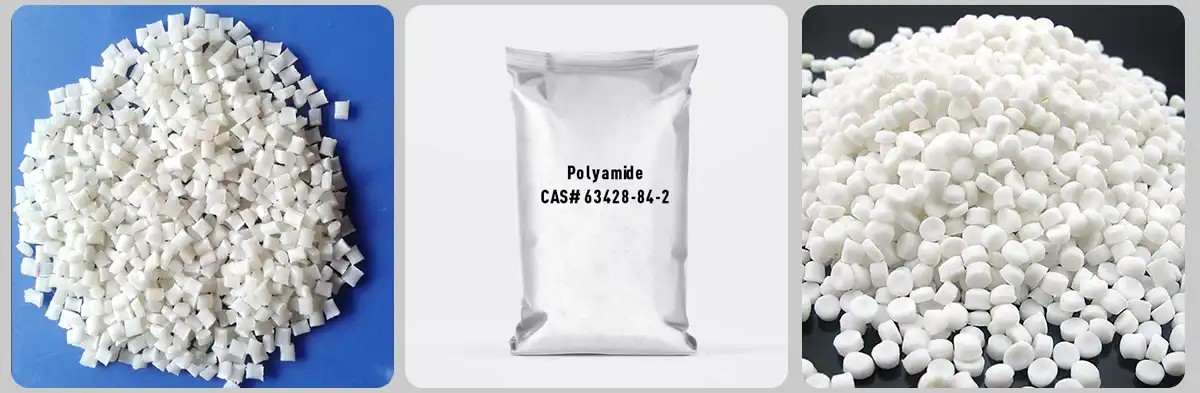
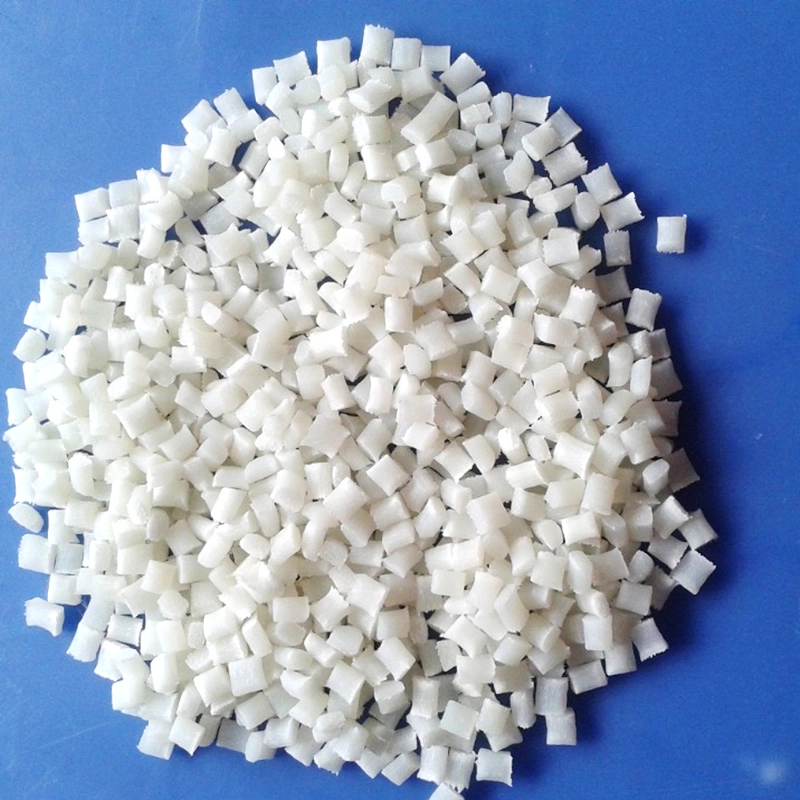
Polyamide (PA), commonly known as nylon, is one of the most commonly used engineering plastics. Primarily used in synthetic fibers, its most prominent advantage is its superior abrasion resistance compared to all other fibers—10 times more abrasion-resistant than cotton and 20 times more abrasion-resistant than wool. Adding even a small amount of polyamide fiber to blended fabrics can significantly improve their abrasion resistance. Due to its non-toxicity, lightweight, excellent mechanical strength, abrasion resistance, and good corrosion resistance, polyamide is widely used to replace metals such as copper in the manufacture of bearings, gears, pump impellers, and other parts in industries such as machinery, chemicals, instrumentation, and automobiles.
Features
Nylon, as a widely used engineering plastic, is extensively used in machinery, automobiles, electrical appliances, textile equipment, chemical equipment, aerospace, metallurgy, and other fields. It has become an indispensable structural material in various industries, and its main characteristics are as follows:
1. Excellent mechanical properties. Nylon has high mechanical strength and good toughness.
2. Good self-lubricating and friction resistance. Nylon has excellent self-lubricating properties and a low coefficient of friction, thus resulting in a long service life for transmission components.
3. Excellent heat resistance. Highly crystalline nylons such as Nylon 46 have very high heat distortion temperatures and can be used for extended periods at 150℃. PA66, after being reinforced with glass fiber, has a heat distortion temperature exceeding 250℃.
4. Excellent electrical insulation properties. Nylon has high volume resistivity and high breakdown voltage, making it an excellent electrical and electronic insulation material.
5. Excellent weather resistance.
6. Water absorption. Nylon has high water absorption, with saturated water content reaching over 3%. This can affect the dimensional stability of parts to some extent.
Request A Quote?
Related Suggestion
First class quality service and professional after-sales team.
In order to provide you the suitable machine , pls offer below message for us
Get in Touch
We respect your confidentiality and all information are protected.
