
products
Product Details
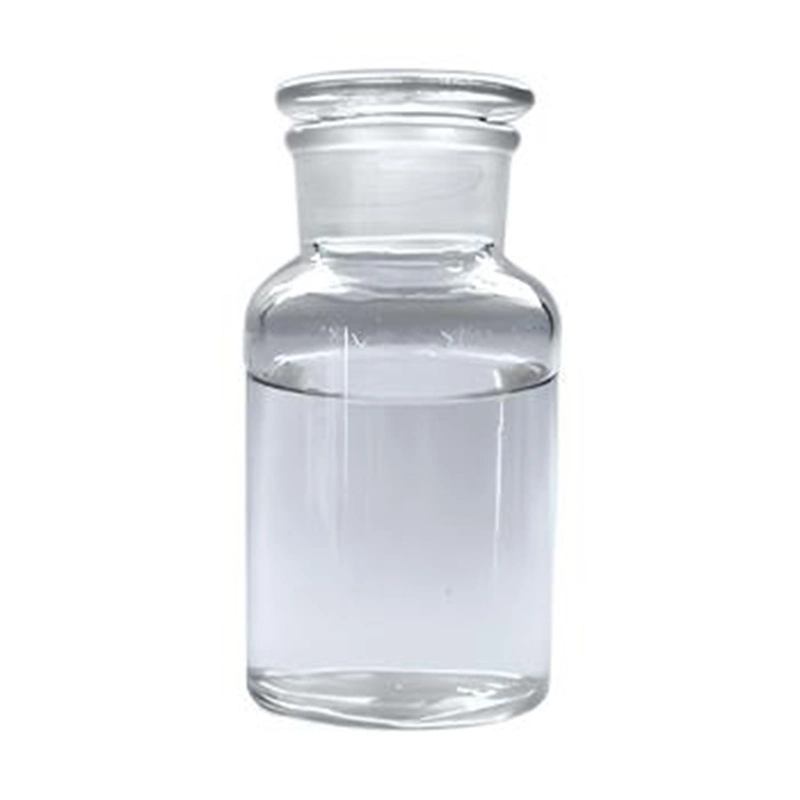
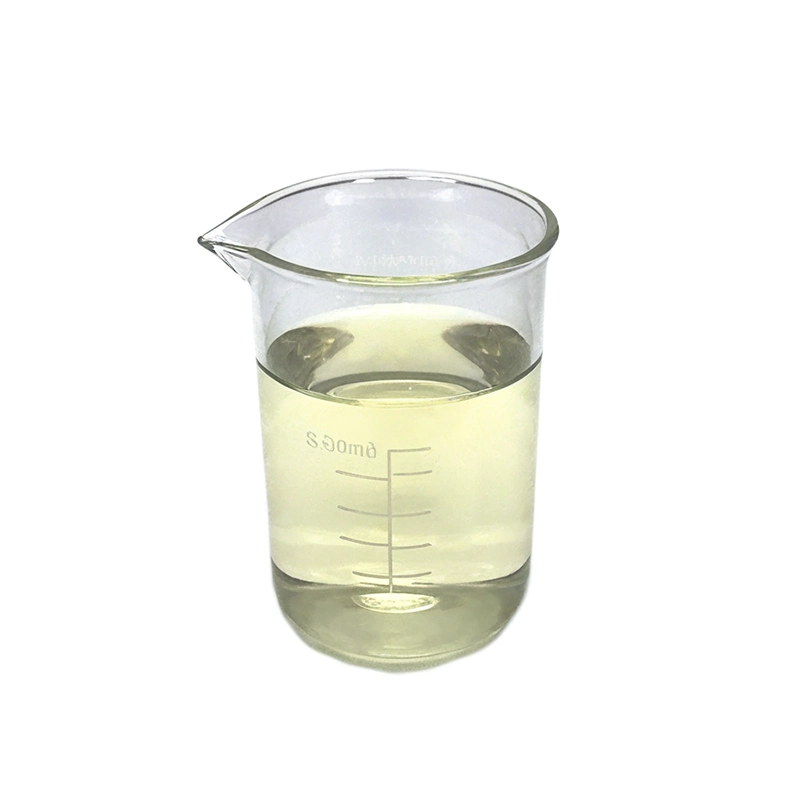
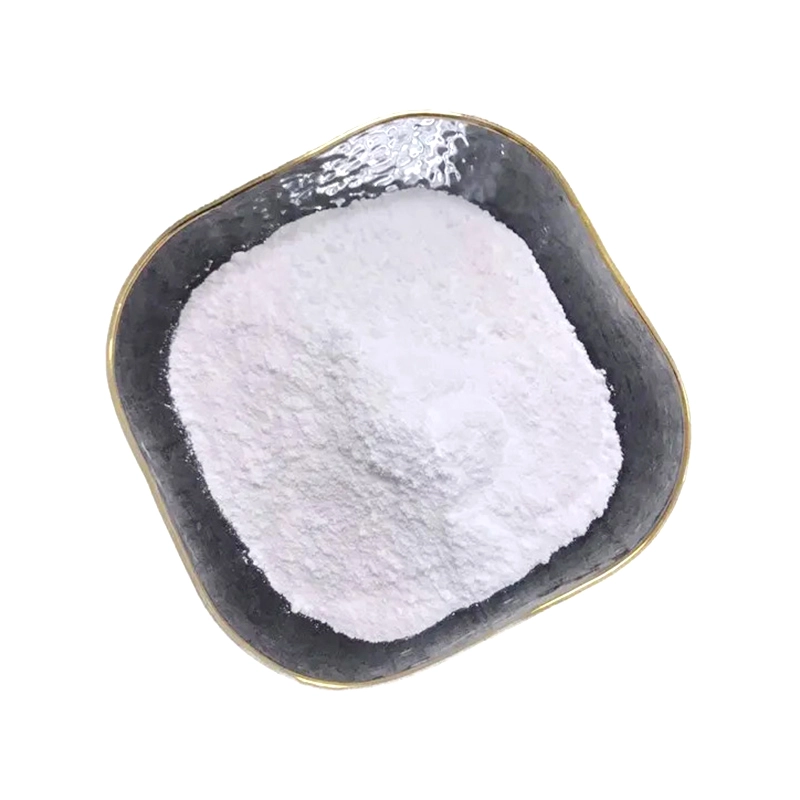
Calcium oxide (CaO, CAS No. 1305-78-8), commonly referred to as lime, quicklime, burnt lime, or calx, does not exist naturally because it readily reacts with water to form hydrated lime and with carbon dioxide to form limestone. It is obtained by calcining calcium carbonate materials such as limestone or oyster shells at temperatures ranging from 1,700 to 2,450°C.
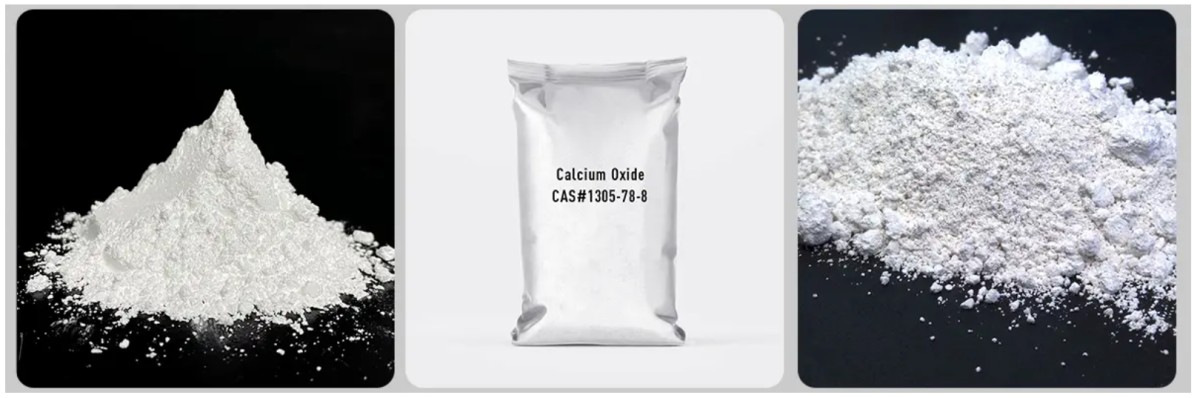
Calcium oxide Chemical Properties
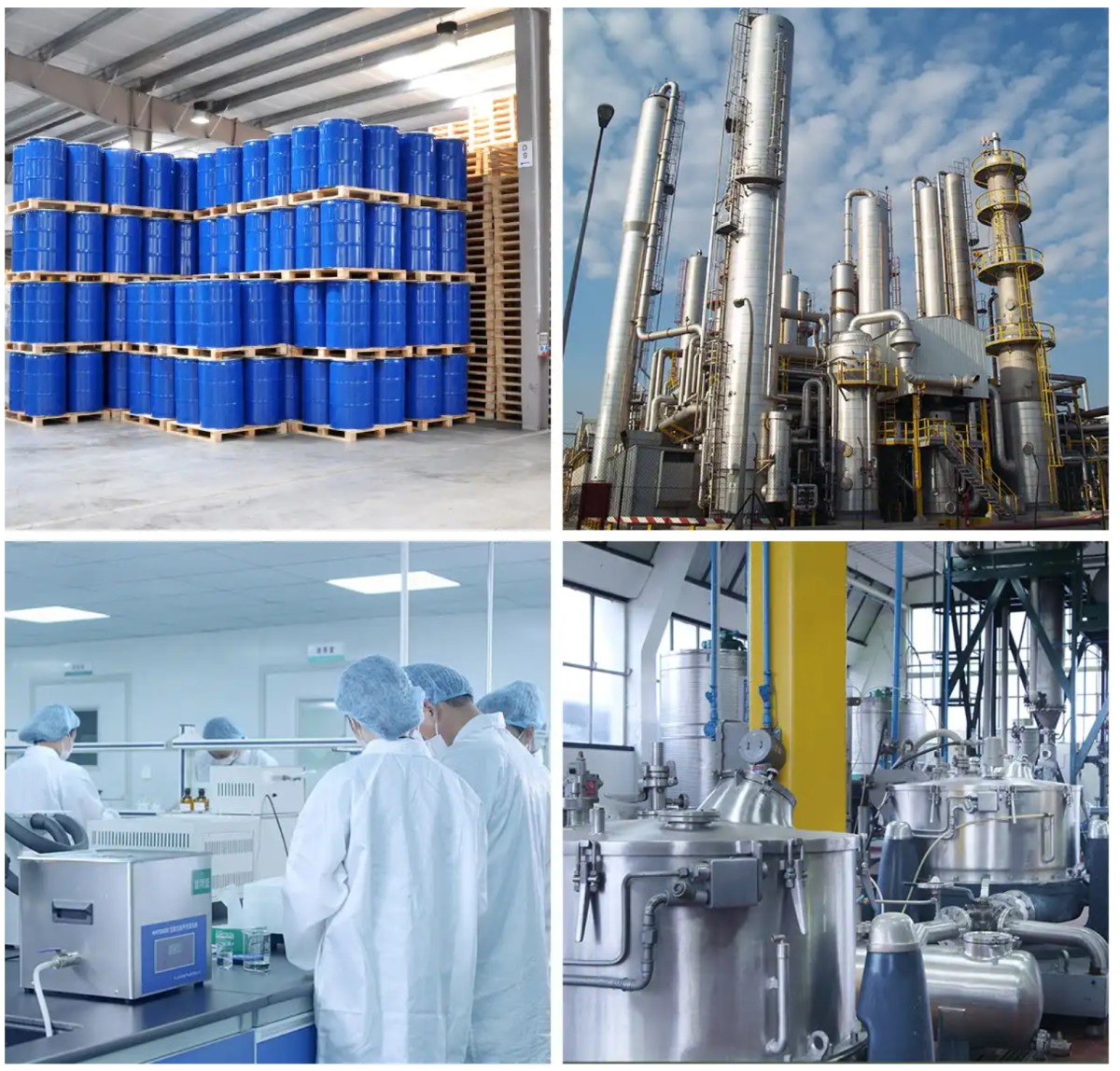
Product Usage
Lime is widely used in various industries such as metallurgy, flue gas desulfurization, construction, mining, papermaking, and water treatment. In iron ore refining, calcium oxide plays a key role in impurity removal by reacting with compounds like silicates, phosphates, and sulfates present in the ore to form slag.
Request A Quote?
First class quality service and professional after-sales team.
In order to provide you the suitable machine , pls offer below message for us
Get in Touch
We respect your confidentiality and all information are protected.
