
products
Product Details
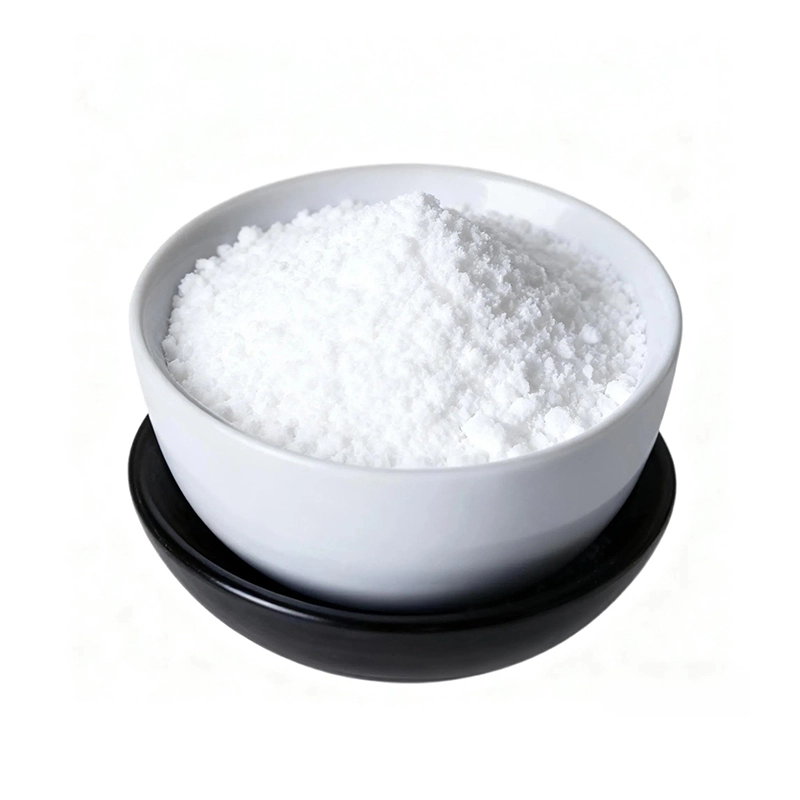
Methyl Palmitate CAS# 112-39-0
Methyl palmitate is a fatty acid ester that occurs naturally in the essential oils of many plant species. The concentration of methyl palmitate within cells can be influenced by the presence of methanol.
Experimental studies using isolated Kupffer cells have shown that methyl palmitate can inhibit phagocytosis and may reduce cell viability.
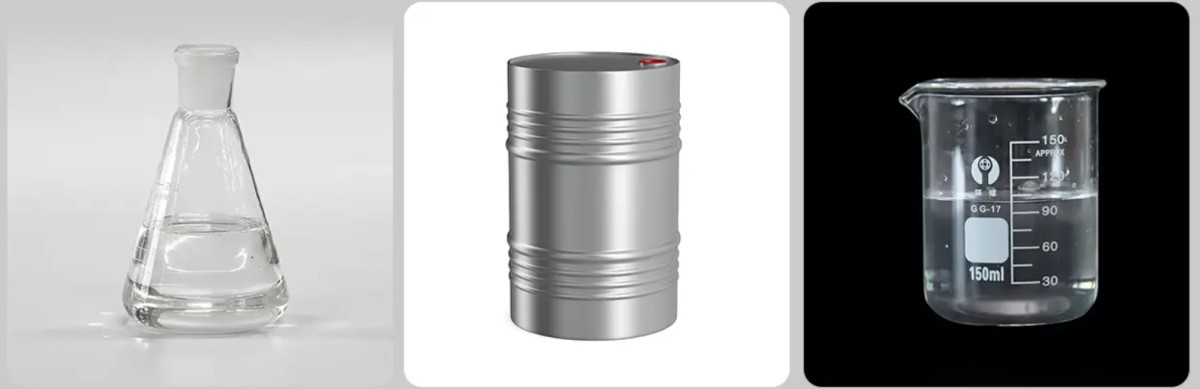
Methyl palmitate Chemical Properties
Safety Information

Product Usage
Methyl palmitate is widely used in the production of detergents, emulsifiers, wetting agents, stabilizers, resins, lubricants, plasticizers, and animal feed additives.
It has also been reported to exhibit anti-inflammatory and anti-fibrotic properties. Experimental studies indicate that methyl palmitate can help prevent bleomycin-induced lung inflammation and fibrosis in rats. Additionally, it has shown protective effects against carbon tetrachloride–induced liver fibrosis, which is associated with the reduction of transforming growth factor beta (TGF-β), a protein that regulates cell proliferation, differentiation, and various cellular functions.

Request A Quote?
Related Suggestion
First class quality service and professional after-sales team.
In order to provide you the suitable machine , pls offer below message for us
Get in Touch
We respect your confidentiality and all information are protected.
